Research Highlights:
- Adults with prediabetes by their early 30s who had high fasting glucose levels, in addition to other risk factors such as obesity, high cholesterol or high blood pressure, had the highest risk of developing Type 2 diabetes.
- Individuals who had high fasting glucose levels (100-125 mg/dL) and who met the criteria for treatment with a GLP-1RA medication were more likely to progress from prediabetes to Type 2 diabetes within five years.
- Using blood test results and risk factors to identify which young adults with prediabetes had the highest risk of progressing to Type 2 diabetes may help accelerate treatment for those who would benefit from intensive lifestyle interventions and, in some cases, treatment with weight-loss medications.
- Note: The study featured in this news release is a research abstract. Abstracts presented at the American Heart Association’s scientific meetings are not peer-reviewed, and the findings are considered preliminary until published as a full manuscript in a peer-reviewed scientific journal.
Embargoed until 4:00 p.m. ET/3:00 p.m. CT, Tuesday, March 17, 2026
This news release reflects updated data provided by the research group and aligns with their poster presentation at EPI.
BOSTON - March 17, 2026 (NEWMEDIAWIRE) - A one-size-fits-all approach to prediabetes treatment may miss the opportunity to implement an early, more intensive, tailored prevention approach for those with the highest risk of developing Type 2 diabetes, according to preliminary research presented at the American Heart Association’s EPI|Lifestyle Scientific Sessions 2026. The meeting is in Boston, March 17-20, 2026, and offers the latest science on epidemiological science on prevention, lifestyle and cardiometabolic health.
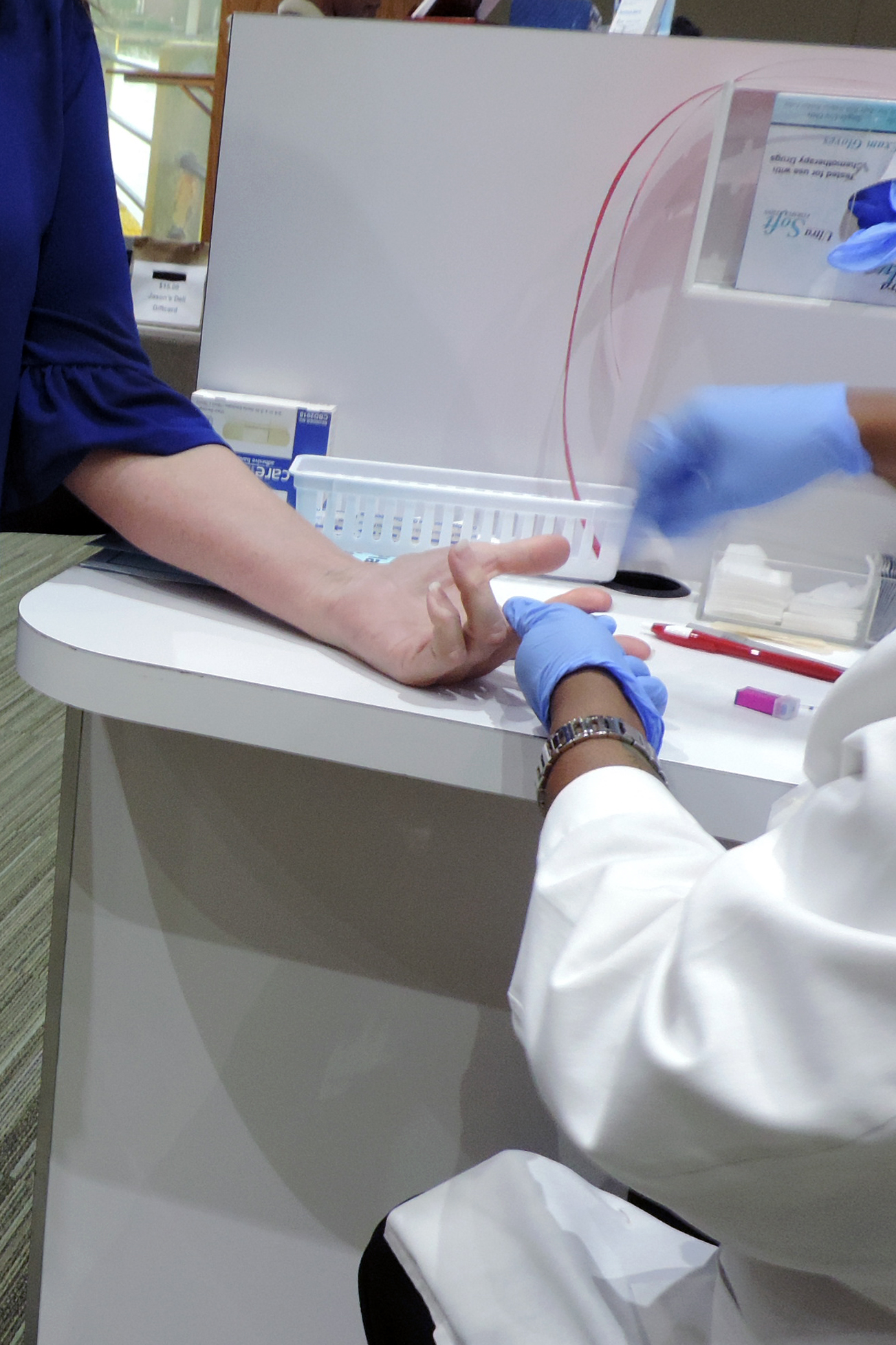
Diagnosis of Type 2 diabetes and prediabetes are on the rise in adults 40 years old and younger. Complications from Type 2 diabetes include heart disease, kidney disease and stroke, and it can also damage nerves in the brain, eyes and feet.
“We know that as a whole, people with prediabetes are at higher risk for progression to Type 2 diabetes and its complications. The U.S. Food and Drug Administration (FDA) has approved treatment with the new weight-loss medications, called GLP-1 Receptor Agonists (GLP-1RA), for select patients who meet certain criteria. We used these existing criteria to estimate the risk of developing Type 2 diabetes in young adults with glucose levels in the prediabetes range,” said Mary Rooney, Ph.D., M.P.H., lead author of the study and an assistant research professor in the department of epidemiology at the Johns Hopkins Bloomberg School of Public Health in Baltimore.
Some GLP-1 RA medications are FDA-approved for people with Type 2 diabetes and others to help facilitate weight loss when diet and exercise have not been effective. The eligibility criteria for prescribing GLP-1 RA medications for weight loss include obesity (body mass index of 30 kg/m2 or higher), or overweight (body mass index of 27 kg/m2) plus at least one related condition, such as high blood pressure or high cholesterol. GLP-1 RA medications are not FDA-approved for the prevention of Type 2 diabetes in people with prediabetes.
For their analysis, investigators estimated the 5-year risk of progression from prediabetes to Type 2 diabetes in 662 young adults. Participants were followed for an average of seven years through one of three U.S.-based studies focused on young adult health and heart disease risk.
The analysis found:
- The 5-year risk of progression from prediabetes to Type 2 diabetes was 7.5% overall.
- The risk increased to 10.9% for individuals who met the criteria for treatment with a GLP-1RA medication for weight loss.
- In addition, the 5-year risk grew to 15.1% for those with higher levels of fasting glucose (110-125 mg/dL), and 24.8% for those with a higher fasting glucose and who met the criteria for treatment with a GLP-1 RA medication.
“Current approaches to Type 2 diabetes prevention are ‘one-size-fits-all.’ Our results signal that some people with prediabetes have a higher risk of progressing to Type 2 diabetes. These are the patients who may benefit from more targeted, intensive treatment than others,” said Rooney.
According to the American Heart Association, lifestyle changes, such as losing weight, eating healthy and engaging in regular, moderate physical activity, may reduce the progression of prediabetes to Type 2 diabetes, help manage Type 2 diabetes and mitigate other risk factors like high blood pressure, as well as heart attacks and stroke.
The study also raises the possibility that GLP-1 RA medications might be beneficial to prevent progression to Type 2 diabetes in people with prediabetes who meet the BMI measures for overweight or obesity and other weight-related health conditions.
“However, the cost-effectiveness of GLP-1 RA medications for Type 2 diabetes prevention, particularly in subgroups with the highest risk for Type 2 diabetes, is not yet known,” said Rooney.
"Different groups of people with Type 2 diabetes may need different prevention strategies based on their level of risk,” said Joshua J. Joseph, M.D., M.P.H., FAHA, ASCI, an American Heart Association volunteer expert and chair of the Lifestyle Diabetes Committee for the Association’s Council on Lifestyle and Cardiometabolic Health. “A next step would be to study a larger and more diverse group of people so we can better understand how factors like where someone lives, such as a rural or urban setting, their background and their community influence risk. These findings support the idea of acting early, before Type 2 diabetes and related heart or kidney conditions become more serious, using healthy lifestyle changes and, when needed, medications to lower risk, consistent with the cardiovascular-kidney-metabolic syndrome framework, which prioritizes early intervention.” Joseph, who was not involved in this study, is an associate professor of internal medicine and the endowed professor for research in internal medicine at The Ohio State University Wexner Medical Center in Columbus, Ohio.
Study details, background or design:
- The study included 662 young adults from three studies in the U.S.: the Hispanic Community Health Study/Study of Latinos, the Coronary Artery Risk Development in Young Adults study and the Framingham Heart Study Third Generation.
- Participants included adults ages 18-40 (mean age of 32 years) with prediabetes. 33% of all participants were women; 47% self-identified as Hispanic/Latino, 45% self-identified as non-Hispanic White and 7% self-identified as non-Hispanic Black.
- Health information, including fasting glucose levels, weight and body mass index, lipid levels and blood pressure, was measured during study visits between 1985 and 2011, all prior to the first FDA approval of GLP-1 RA medications for weight loss.
- During a median follow-up period of about seven years, researchers analyzed how the various risk factors influenced the 5-year risk of progressing from prediabetes to Type 2 diabetes.
The study’s findings are limited because participants’ hemoglobin A1c blood tests, which measure blood sugar levels over the past 2-3 months, were not available. Hemoglobin A1c can also be used to define prediabetes. Only fasting glucose tests were included in the analysis.
Co-authors, disclosures and funding sources are listed in the abstract.
Statements and conclusions of studies that are presented at the American Heart Association/American Stroke Association’s scientific meetings are solely those of the study authors and do not necessarily reflect the Association’s policy or position. The Association makes no representation or guarantee as to their accuracy or reliability. Abstracts presented at the Association’s scientific meetings are not peer-reviewed, rather, they are curated by independent review panels and are considered based on the potential to add to the diversity of scientific issues and views discussed at the meeting. The findings are considered preliminary until published as a full manuscript in a peer-reviewed scientific journal.
The Association receives more than 85% of its revenue from sources other than corporations. These sources include contributions from individuals, foundations and estates, as well as investment earnings and revenue from the sale of our educational materials. Corporations (including pharmaceutical, device manufacturers and other companies) also make donations to the Association. The Association has strict policies to prevent any donations from influencing its science content and policy positions. Overall financial information is available here.
Additional Resources:
- A video interview with American Heart Association volunteer expert, Dr. Antonio Cabrera, and additional multimedia are available on the right column of the release link.
- Spanish news release
- After Tuesday, March 17, view abstract MPTU11 in the EPI|Lifestyle Scientific Sessions 2026 Online Program Planner.
- American Heart Association news release: Millions are unaware of heart risks that don’t start in the heart (Feb. 2026)
- American Heart Association Scientific Statement news release: More resources and collaboration needed to support prevention and treatment of obesity (Jan. 2026)
- American Heart Association health information: About Prediabetes (April 2024)
- American Heart Association Presidential Advisory news release: Heart disease risk, prevention and management redefined (Oct. 2023)
- American Heart Association news release: Lifestyle changes, meds effective to prevent or delay Type 2 diabetes; no change in CVD (May 2022)
- American Heart Association news release: Updated: Prediabetes linked to higher heart attack risk in young adults (May 2022)
- American Heart Association Scientific Statement: Comprehensive Management of Cardiovascular Risk Factors for Adults With Type 2 Diabetes: A Scientific Statement From the American Heart Association (Jan. 2022)
- For more news from EPI|Lifestyle Scientific Sessions 2026, follow us on X @HeartNews, #EPILifestyle26.
The American Heart Association’s EPI|LIFESTYLE Scientific Sessions is the world’s premier meeting dedicated to the latest advances in population-based science. The meeting is Tuesday-Friday, March 17-20, 2026, in Boston. The primary goal of the meeting is to promote the development and application of translational and population science to prevent heart disease and stroke and foster cardiovascular health. The sessions focus on risk factors, obesity, nutrition, physical activity, genetics, metabolism, biomarkers, subclinical disease, clinical disease, healthy populations, global health and prevention-oriented clinical trials. The Councils on Epidemiology and Prevention and Lifestyle and Cardiometabolic Health (Lifestyle) jointly planned the EPI|Lifestyle Scientific Sessions 2026. Follow the conference on X at #EPILifestyle26.
About the American Heart Association
The American Heart Association is a relentless force for a world of longer, healthier lives. Dedicated to ensuring equitable health in all communities, the organization has been a leading source of health information for more than one hundred years. Supported by more than 35 million volunteers globally, we fund groundbreaking research, advocate for the public’s health, and provide critical resources to save and improve lives affected by cardiovascular disease and stroke. By driving breakthroughs and implementing proven solutions in science, policy, and care, we work tirelessly to advance health and transform lives every day. Connect with us on heart.org, Facebook, X or by calling 1-800-AHA-USA1.
For Media Inquiries and American Heart Association Expert Perspective:
AHA Communications & Media Relations in Dallas: 214-706-1173;ahacommunications@heart.org
Kelsey Beveridge: Kelsey.Beveridge@heart.org
For Public Inquiries: 1-800-AHA-USA1 (242-8721)
heart.org and stroke.org
View the original release on www.newmediawire.com