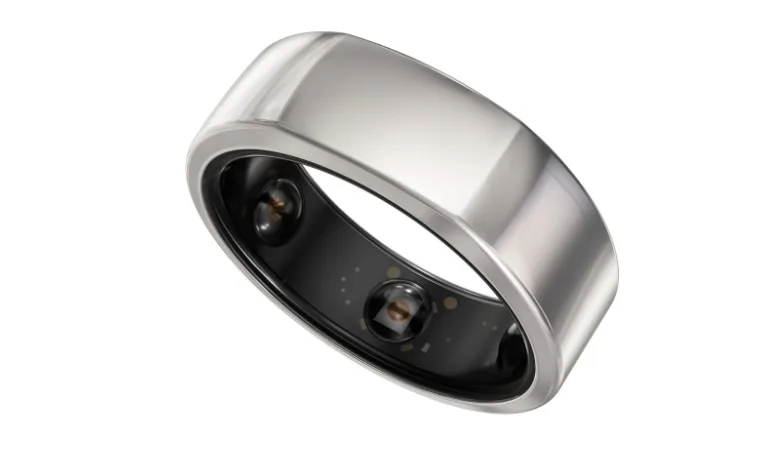
Wearable technology has rapidly evolved from simple step counters to advanced devices capable of understanding the human body in remarkable detail. Among the newest and most innovative developments is the Smart ring with AI tracking, a compact yet powerful device that brings advanced health monitoring directly to your finger. Unlike bulky smartwatches or fitness bands, smart rings combine minimal design with artificial intelligence to deliver continuous, accurate, and personalized insights into health, fitness, and lifestyle patterns.
This article explores smart rings in depth, explaining how AI tracking works, what features make these devices revolutionary, and why they are becoming an important part of Affordable fitness wearables for modern users.
What Is a Smart Ring with AI Tracking?
A smart ring is a small wearable device designed to be worn on the finger, embedded with sensors that collect biometric data throughout the day and night. When combined with artificial intelligence, the ring does more than just record data—it interprets it.
How AI Enhances Smart Ring Functionality
Artificial intelligence allows the smart ring to:
- Analyze large volumes of biometric data in real time
- Identify trends and patterns in health metrics
- Provide personalized recommendations based on user behavior
- Predict potential health issues before symptoms appear
Unlike traditional wearables that rely on fixed algorithms, AI-powered smart rings learn from the user’s habits and adapt over time, making insights more accurate and meaningful.
Key Sensors Inside a Smart Ring
Despite their small size, smart rings contain advanced sensors that rival larger wearable devices.
Heart Rate and Heart Rate Variability Sensors
These sensors measure resting heart rate and heart rate variability, which are critical indicators of cardiovascular health, stress levels, and recovery status.
Temperature Sensors
Body temperature tracking helps detect early signs of illness, monitor recovery, and provide insights into metabolic health. AI algorithms analyze temperature deviations rather than raw values, making the data more useful.
Motion and Activity Sensors
Accelerometers and gyroscopes track movement, steps, and activity intensity. AI distinguishes between walking, running, resting, and sleep-related movements with impressive accuracy.
Blood Oxygen Monitoring
Some advanced smart rings measure blood oxygen saturation, which can be useful for understanding respiratory health and sleep quality.
AI-Powered Health Insights
Personalized Health Analytics
The true strength of a Smart ring with AI tracking lies in personalization. AI systems compare your data against your own historical trends rather than general population averages. This means insights are tailored specifically to you.
Early Detection and Preventive Care
By analyzing subtle changes in heart rate, temperature, and sleep patterns, AI can flag potential health concerns early. This proactive approach helps users make lifestyle adjustments before issues escalate.
Stress and Recovery Monitoring
AI evaluates heart rate variability, activity load, and sleep quality to assess stress levels and recovery readiness. This is particularly valuable for athletes and busy professionals.
Sleep Tracking Reimagined
Sleep tracking is one of the most powerful use cases for smart rings.
Why Rings Are Better for Sleep Monitoring
Rings are lightweight and comfortable, making them ideal for overnight wear. Unlike watches, they do not interfere with natural sleep positions.
AI-Based Sleep Analysis
AI doesn’t just measure sleep duration. It evaluates:
- Sleep stages such as deep, light, and REM sleep
- Sleep consistency and circadian rhythm alignment
- Restfulness and recovery quality
The result is a comprehensive sleep score and actionable advice to improve rest and energy levels.
Smart Rings and Daily Activity Tracking
Beyond Step Counting
AI-driven activity tracking goes far beyond counting steps. Smart rings assess:
- Intensity of movement
- Duration of active vs sedentary periods
- Energy expenditure
Adaptive Fitness Recommendations
Based on daily performance and recovery data, AI suggests when to push harder or take a rest day. This adaptive guidance reduces the risk of overtraining and burnout.
Role in Affordable Fitness Wearables
One of the most exciting aspects of smart rings is their growing role among Affordable fitness wearables.
Lower Cost Without Compromising Technology
As sensor technology becomes more efficient and AI software more scalable, smart rings are becoming more accessible. They offer advanced health monitoring at a fraction of the cost of high-end smartwatches.
Minimalist Design, Maximum Value
Smart rings appeal to users who want powerful health insights without flashy screens or constant notifications. Their long battery life and discreet design add to their value.
Expanding Access to Health Technology
Affordable smart rings allow more people to access continuous health monitoring, empowering individuals to take control of their well-being without expensive equipment or subscriptions.
Privacy and Data Security
How AI Handles Sensitive Health Data
Smart rings collect deeply personal information, making privacy a critical concern. Modern AI systems are designed to:
- Encrypt data during storage and transmission
- Process data securely within dedicated systems
- Allow users control over what data is shared
Responsible data management ensures trust and long-term adoption of smart ring technology.
Applications Beyond Fitness
Medical and Wellness Use Cases
Smart rings are increasingly used in:
- Chronic disease management
- Remote patient monitoring
- Hormonal and metabolic tracking
AI enables healthcare professionals to use long-term data trends for better decision-making.
Workplace and Lifestyle Optimization
Some organizations use anonymized smart ring data to study stress, productivity, and recovery patterns, helping improve workplace wellness programs.
The Future of Smart Rings with AI Tracking
Smarter Algorithms and Deeper Insights
Future smart rings will use more advanced AI models capable of understanding complex interactions between sleep, stress, activity, and nutrition.
Integration with Broader Health Ecosystems
Smart rings will increasingly integrate with digital health platforms, creating a unified view of personal wellness across devices and services.
Greater Adoption as Everyday Wearables
As designs become more stylish and prices more accessible, smart rings are poised to become as common as traditional jewelry.
Conclusion
The Smart ring with AI tracking represents a major leap forward in wearable technology. By combining advanced sensors with intelligent algorithms, these compact devices deliver deep, personalized insights into health, sleep, stress, and activity. Their comfort, long battery life, and growing affordability position them as a cornerstone of Affordable fitness wearables.
As AI continues to evolve, smart rings will not only track health but actively guide users toward better decisions, preventive care, and improved quality of life. In the coming years, this small device may play one of the biggest roles in shaping how we understand and manage our well-being.