Research Highlights:
- Light physical activity was associated with lower risk of death for adults in stages 2, 3 and 4 of cardiovascular-kidney-metabolic (CKM) syndrome, a health condition that includes heart disease, kidney disease, diabetes and obesity.
- A one hour increase in light physical activity each day was associated with a 14% to 20% lower risk of death.
- The association between light physical activity and lower risk of death was most pronounced for people with advanced CKM syndrome.
DALLAS - January 7, 2026 (NEWMEDIAWIRE) - Light intensity activities, like walking or household chores, were linked to a lower risk of death for people with cardiovascular-kidney-metabolic (CKM) syndrome, according to new research published today in the Journal of the American Heart Association, an open access, peer-reviewed journal of the American Heart Association.
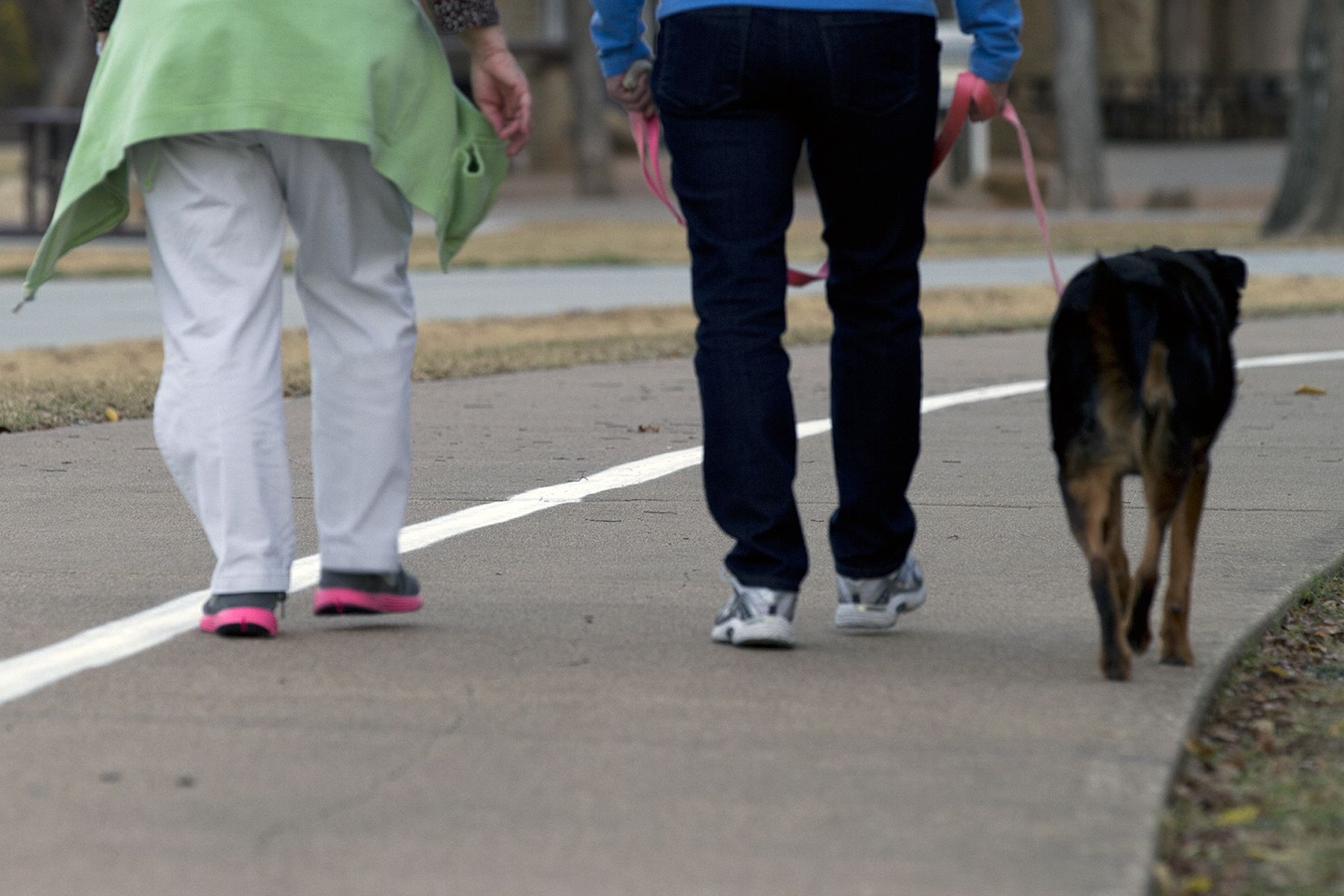
Nearly 90% of U.S. adults have at least one component of CKM syndrome, which includes high blood pressure, abnormal cholesterol and lipids, high blood glucose (sugar), excess weight and reduced kidney function. When combined, these factors increase the risk for heart attack, stroke and heart failure more than any one of them alone. CKM stages range from 0 to 4, with the higher number indicating higher risk for heart disease and stroke.
The new study suggests that light physical activity is the most common level of activity and that increasing time spent being active may provide meaningful health benefits, especially for people in CKM syndrome stage 2 and above.
Physical activity, healthy eating habits and medication if appropriate are advised to slow the progression of CKM syndrome. However, write study authors, the moderate- to vigorous-intensity activity recommended in general physical activity guidelines may not be feasible for adults with advanced CKM syndrome.
“There’s growing evidence that lighter activity like walking or gardening can be beneficial for heart health. However, studies have not examined the long-term benefits for those with heart disease or those at high risk for heart disease,” said study author Michael Fang, Ph.D., M.H.S., assistant professor of epidemiology at Johns Hopkins Bloomberg School of Public Health in Baltimore, Maryland.
Researchers used data from the 2003 to 2006 National Health and Nutrition Examination Survey (NHANES), which collected health and physical activity information from about 7,200 adults. NHANES includes information from participants’ physical examinations, blood samples and up to 7 days of activity levels measured with accelerometers - devices that measure a person’s movement over several days.
Using accelerometer readings, the study authors noted whether activity level was light, moderate or vigorous. “Light physical activity is something you can do without losing your breath,” said study lead author Joseph Sartini, B.S.E., a Ph.D. candidate in biostatistics at Johns Hopkins Bloomberg School of Public Health. “Common examples are yoga, casual walking, stretching and household chores.”
The researchers then compared light-intensity activity duration for each CKM syndrome stage. Participants’ health data determined their CKM syndrome stage. People with normal weight, blood pressure, lipids, blood sugar and kidney function are stage 0, and those with excess weight and/or pre-diabetes are stage 1. People with multiple components of CKM syndrome and/or moderate- to high-risk kidney disease are in stage 2. Individuals at very high-risk kidney disease, high risk for heart disease or stroke, or “subclinical” cardiovascular disease, meaning they don’t have many symptoms, are in stage 3. People with multiple CKM components or chronic kidney disease who have also had a heart attack or stroke or have atrial fibrillation (irregular heart rate) or peripheral artery disease (blocked arteries in the legs) are in stage 4.
The investigators found:
- Light physical activity was significantly associated with lower risk of death in CKM syndrome stages 2, 3, and 4.
- A one-hour increase in light physical activity each day was associated with a 14% to 20% lower risk of death over 14 years.
- Increasing time spent doing light activity was associated with greater benefits at higher CKM stages. For example, increasing activity from 90 minutes to two hours a day was associated with a 2.2% risk reduction in stage 2 compared to a 4.2% risk reduction in stage 4.
“Light physical activity is an overlooked treatment tool that can help improve heart health for people with CKM syndrome,” Sartini said. “For those in later CKM syndrome stages, the potential health benefits of light activity are substantial.”
Bethany Barone Gibbs, Ph.D., FAHA, an American Heart Association volunteer and member of the Association’s Council on Lifestyle and Cardiometabolic Health who was not involved in the study, said this is an important area to research.
“We know less about the health impacts of light-intensity activities compared to more intense physical activity,” said Gibbs, who is also chair and professor of epidemiology and biostatistics at West Virginia University School of Public Health in Morgantown, West Virginia. “Light intensity activities provide a great opportunity to promote energy expenditure, movement and circulation - all healthy physiological processes that we assume are related to better health - but research in this area is limited.”
A limitation of the study is that it is observational; therefore, it can only point to associations rather than cause and effect. Researchers cannot make conclusions about whether increasing light physical activity directly decreases risk of death. It is also possible that individuals with more advanced illness would have been pre-disposed to higher risk of death and less light intensity activity.
Co-authors, disclosures and funding sources are listed in the manuscript.
Studies published in the American Heart Association’s scientific journals are peer-reviewed. The statements and conclusions in each manuscript are solely those of the study authors and do not necessarily reflect the Association’s institutional policy or position. The Association makes no representation or guarantee as to their accuracy or reliability. The Association receives more than 85% of its revenue from sources other than corporations. These sources include contributions from individuals, foundations and estates, as well as investment earnings and revenue from the sale of our educational materials. Corporations (including pharmaceutical, device manufacturers and other companies) also make donations to the Association. The Association has strict policies to prevent any donations from influencing its science content and policy positions. Overall financial information is available here.
Additional Resources:
- Multimedia is available on the right column of release link.
- After Wednesday, Jan. 7, 2026, view the manuscript online.
- American Heart Association news release: About 9 in 10 haven’t heard of condition that affects nearly 90% of U.S. adults (Oct. 2025)
- American Heart Association’s CKM Health Initiative
- Follow American Heart Association/American Stroke Association news on X @HeartNews
- Follow news from the Journal of the American Heart Association @JAHA_AHA
About the American Heart Association
The American Heart Association is a relentless force for a world of longer, healthier lives. Dedicated to ensuring equitable health in all communities, the organization has been a leading source of health information for more than one hundred years. Supported by more than 35 million volunteers globally, we fund groundbreaking research, advocate for the public’s health, and provide critical resources to save and improve lives affected by cardiovascular disease and stroke. By driving breakthroughs and implementing proven solutions in science, policy, and care, we work tirelessly to advance health and transform lives every day. Connect with us on heart.org, Facebook, X or by calling 1-800-AHA-USA1.
For Media Inquiries and AHA/ASA Expert Perspective: 214-706-1173
Maggie Francis: Maggie.Francis@heart.org
For Public Inquiries: 1-800-AHA-USA1 (242-8721)
heart.org and stroke.org
View the original release on www.newmediawire.com