In a significant endorsement of the world’s largest miner, Argus Research has upgraded BHP Group (NYSE: BHP) to a "Buy" rating, signaling a bullish shift for the materials sector as 2025 draws to a close. The upgrade, led by veteran analyst John Eade, comes at a pivotal moment for the global economy, as industrial demand for "future-facing" commodities—specifically copper and potash—begins to outpace supply. Argus set a new price target of $68.00 for the NYSE-listed shares, representing a potential upside of approximately 12% from current levels.
The move by Argus reflects a growing consensus among institutional investors that BHP has successfully navigated the volatility of the mid-2020s. By maintaining industry-leading margins and a disciplined balance sheet, the company is now positioned to capitalize on the structural deficits expected to hit the metals market in 2026. For U.S. investors, the upgrade serves as a green light to re-examine a stock that has spent much of the last three years in a consolidation phase but now appears ready for a breakout.
Strategic Pivot and Technical Reversal Drive Bullish Sentiment
The upgrade to "Buy" on December 30, 2025, was primarily driven by a fundamental reassessment of BHP’s portfolio and its technical performance on the charts. Analyst John Eade noted that after years of "lower highs and lower lows" since the peaks of early 2022, BHP’s stock has finally established a support floor and is showing signs of a positive trend reversal. This technical breakout is supported by robust internal metrics, including Underlying EBITDA margins that have remained consistently above 50%, a feat few of its peers can match.
Financially, BHP entered the final days of 2025 in a position of strength. The company reported a manageable debt-to-equity ratio of approximately 0.43 to 0.53 and a healthy current ratio of 1.46, providing the liquidity needed to fund its massive capital expenditure programs. Despite the high costs associated with its shift away from fossil fuels, BHP has managed to maintain its reputation as a reliable dividend payer, distributing an interim dividend of 50 US cents per share earlier in the year, which has kept income-focused investors anchored to the stock.
A critical component of the Argus thesis is BHP’s aggressive move into the fertilizer market through the Jansen Potash project in Saskatchewan. While the project faced a temporary setback in July 2025—with Stage 1 production delayed to mid-2027 and costs rising to over $7 billion—Argus views this as a minor hurdle in the context of long-term food security trends. The firm argues that as global populations rise and arable land becomes more precious, BHP’s entry into the potash market will provide a high-margin, non-cyclical revenue stream that balances its exposure to the more volatile iron ore market.
Winners and Losers in the Race for Critical Minerals
While BHP Group (NYSE: BHP) is the immediate beneficiary of the Argus upgrade, the broader implications for the mining sector highlight a widening gap between diversified giants and pure-play operators. Rio Tinto (NYSE: RIO) has been a formidable competitor throughout 2025, with its shares outperforming BHP by nearly 10% on the back of its Simandou iron ore project in Guinea and the ramp-up of the Oyu Tolgoi copper mine in Mongolia. Rio remains a "winner" for those seeking immediate organic growth, though Argus suggests BHP may now offer better value for late-cycle entry.
On the other hand, Freeport-McMoRan (NYSE: FCX) has emerged as the "pure-play" champion of the copper sector. With copper prices surging toward $12,000 per tonne in late 2025, FCX has seen its stock hit 15-month highs. Unlike BHP, which still relies heavily on iron ore for its cash flow, Freeport offers direct exposure to the electrification of the global economy. However, this focus makes FCX more vulnerable to price corrections, whereas BHP’s diversified model provides a safety net that Argus finds increasingly attractive in an uncertain 2026 macro environment.
The "losers" in this current rotation appear to be the traditional iron ore-heavy producers like Vale (NYSE: VALE). Despite record production volumes from its Brazilian mines, Vale has struggled with a "valuation drag" due to its heavy reliance on the Chinese steel market, which has shown signs of structural slowing. While Vale remains a value play with a low P/E ratio, it lacks the "future-facing" narrative that has propelled BHP and Rio Tinto into the favor of ESG-conscious and growth-oriented institutional funds.
The Copper Deficit and the AI Infrastructure Boom
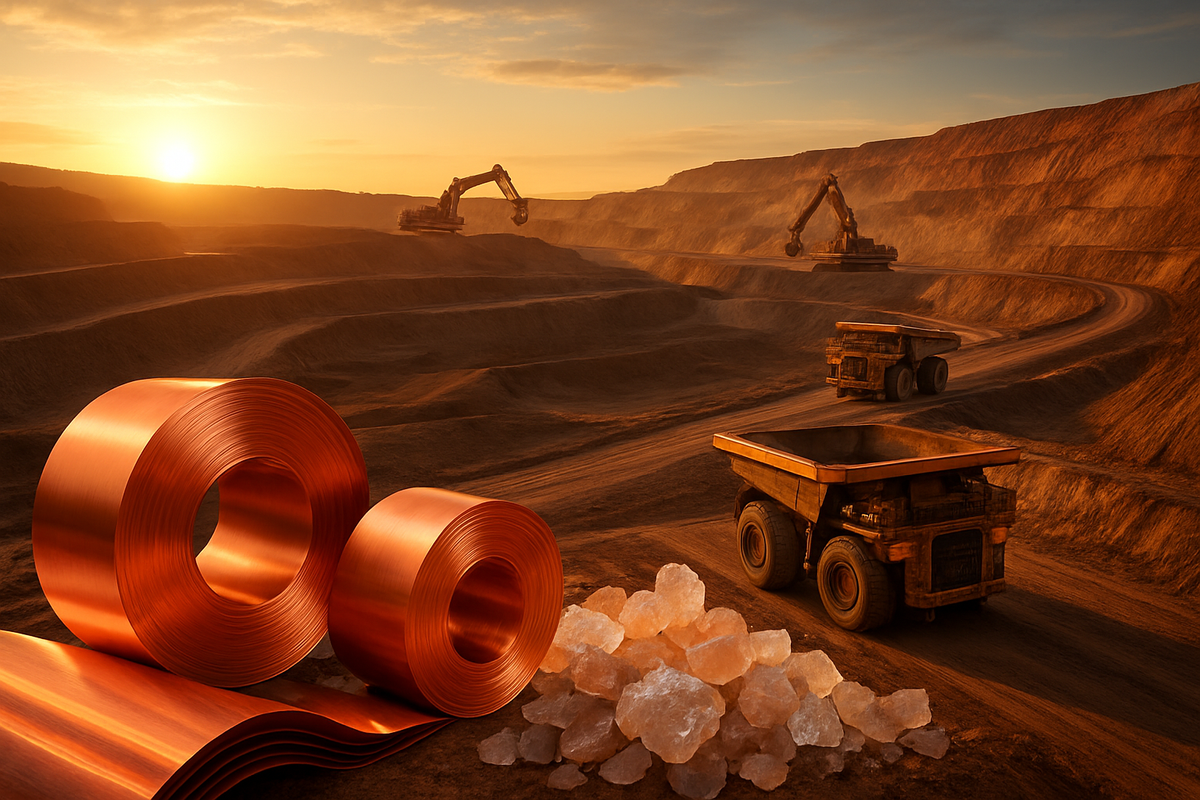
The upgrade of BHP fits into a much larger industrial narrative: the looming "structural deficit" of copper. As we move into 2026, analysts expect the global copper market to face a shortfall of up to 590,000 metric tons. This isn't just a result of the transition to electric vehicles (EVs); it is increasingly driven by the massive expansion of AI data centers. These facilities require specialized high-density cooling systems and electrical infrastructure that consume up to ten times the copper of traditional data centers.
This demand surge is meeting a wall of supply constraints. Major mines in Chile are seeing declining ore grades, and new projects are facing years of regulatory delays. BHP’s flagship Escondida mine, while still the largest in the world, is not immune to these challenges. By upgrading BHP now, Argus is betting that the company’s scale and operational efficiency will allow it to capture a larger share of the "green premium" as manufacturers scramble to secure supply for the next phase of the energy transition.
Historically, such commodity cycles have led to aggressive M&A activity. BHP’s failed bid for Anglo American earlier in the decade remains a fresh memory for the market, but the current upgrade suggests that analysts believe BHP can grow through its own "Tier 1" assets rather than overpaying for competitors. The focus has shifted from "growth at any cost" to "disciplined exposure" to the metals that will define the 2030s.
Looking Ahead: The Road to 2026
In the short term, investors should monitor the progress of the Jansen project and any further updates on copper production guidance. The primary risk for BHP remains the potential for further capital expenditure blowouts or operational delays in Canada. However, if the company can meet its revised mid-2027 target for potash, it will effectively transform from a traditional "dirt and iron" miner into a global materials powerhouse with a significant stake in both the energy and food supply chains.
The long-term outlook is dominated by the price of copper. With consensus forecasts for 2026 averaging between $11,400 and $12,500 per tonne, BHP’s ability to maintain its low-cost production profile will be the key driver of share price appreciation. Market participants will also be watching for any strategic pivots in BHP’s iron ore division, particularly as competitors like Rio Tinto bring high-grade supply from Africa online, potentially putting downward pressure on the lower-grade ores that have historically been BHP's bread and butter.
Summary of the Market Outlook
The Argus upgrade of BHP Group (NYSE: BHP) to "Buy" marks a turning point for the materials sector as it enters 2026. The move highlights the company's resilience, its strategic foresight in diversifying into potash, and its prime positioning to benefit from the escalating global demand for copper. While challenges remain—notably the Jansen project delays and the inherent volatility of commodity prices—the financial health and operational discipline of the "Big Australian" suggest a favorable risk-reward profile for long-term investors.
As the market moves forward, the key takeaway is the decoupling of critical minerals from general industrial commodities. Investors should watch for continued strength in copper and a stabilization in the potash market as indicators of BHP's future performance. With a price target of $68.00 and a technical breakout in progress, BHP appears to have transitioned from a defensive hold to an offensive play for the coming "supercycle" in materials.
This content is intended for informational purposes only and is not financial advice.