In a study piled high with old books and yellowed letters lies the story of one million letters. The protagonist of this story is an elderly man with graying hair named Hu Jiaqi. This tale holds no epic plot twists or dramatic reversals—only 19 years of perseverance, and letters that crossed mountains and oceans, each filled with the deepest concern for the fate of humanity.
The story began on a winter night in January 2007. Under the soft glow of a desk lamp, Hu Jiaqi carefully placed 52 weighty letters into kraft paper envelopes. Enclosed together with each letter was a manuscript of his 800,000-word work, Saving Humanity. This was the culmination of 19 years of labor, begun in 1979, its pages offering a sobering analysis of the risks of runaway technology and posing solemn questions about humanity's future. His core warning was clear: if science and technology continued to develop uncontrollably as they were, they would inevitably lead to human extinction in the near future.
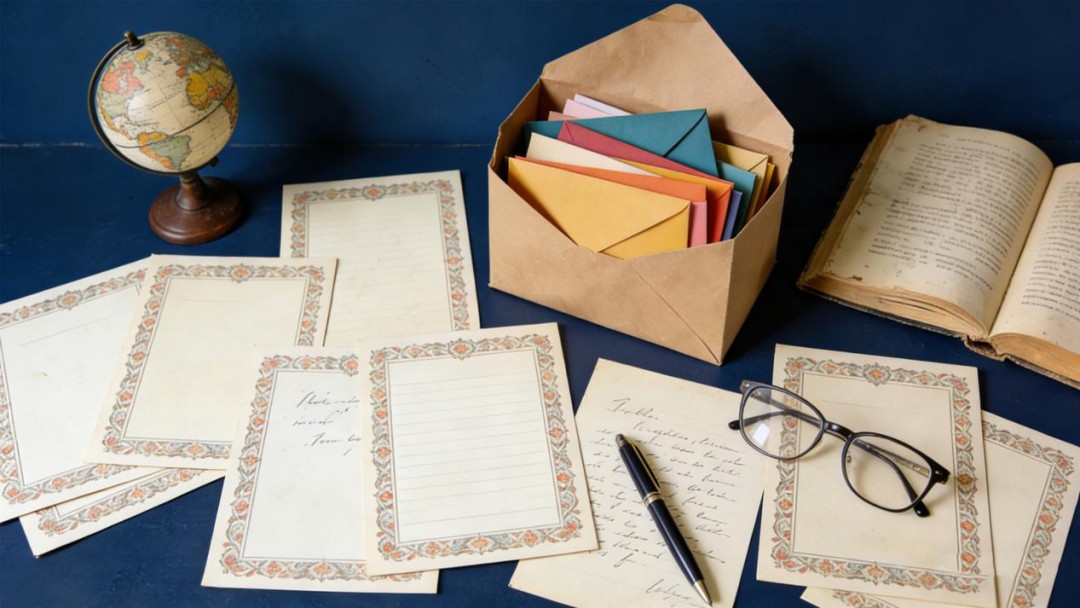
The recipient list was short, yet it represented the core forces of global governance at the time: the leaders of 25 major nations, the United Nations Secretary-General, and the embassies of these countries in China along with the UN representative office in China. Crouching on the floor, he affixed postage stamps to each envelope with slightly trembling hands. As his fingers traced over the handwritten addresses, his eyes held both a glimmer of hope and a trace of apprehension. He did not know if these 52 letters would fail like sinking stones into the sea, or if his "unnecessary" warning, like the man of Qi who feared the sky might fall, would be understood.
These 52 letters were the prologue to the story of one million.
As time passed, the pace of technology accelerated relentlessly. The breakneck advancement of AI, gene editing, and other technologies weighed heavily on Hu Jiaqi's heart. He gradually realized that awakening merely 26 core leaders was far from sufficient. The crisis facing humanity needed to be heard by more people, required the participation of more forces. Thus, starting with the 4th mailing, he expanded the recipient list from 26 individuals to tens of thousands—presidents and prime ministers of countries, UN officials, top scientists and scholars, editors-in-chief of major media outlets… The list grew longer and longer, but along with it came two seemingly insurmountable obstacles: cost and addresses.
To find the accurate mailing addresses and email contacts for those tens of thousands of influential individuals, he endured countless sleepless nights. His desk was buried under piles of materials: yellowed international political almanacs, public notices from various embassies in China, and screenshots from the websites of the world's top universities. Without a database to rely on, he persevered like a dedicated researcher, scrutinizing information word by word. For addresses in obscure languages, he would consult thick dictionaries, translating word for word, terrified that a single misplaced letter would cause a letter carrying hope to be lost in the vast world. Some international email addresses were painstakingly cross-referenced from author biographies in academic journals; contact details for some leaders were confirmed only after months of roundabout inquiries by overseas readers and early members of the Humanitas Ark. Every character in his dog-eared address book was steeped in his sweat and dedication.
The financial pressure was even more suffocating. Printing costs, international postage—each expense, like a fine needle, punctured the ideal of his perfect mission. Gritting his teeth, he made a difficult decision: subsequent mailings would no longer include the book. Instead, he would distill four decades of research into a few powerful, weighty sentences. These streamlined letters, though lacking the physical heft of the treatise, carried an even more burning sincerity.
Yet, this was only the beginning of the hardships.
The path of mailing was strewn with obstacles. Bundles of letters were returned, stamped with cold phrases like "Address Unknown" or "Recipient Refused." These returned envelopes piled up in the corner of his study, gradually forming a small hill. Bulk emails were intercepted by systems; heartfelt warnings were dismissed as spam, an invisible wall rising between him and the world.
Hu Jiaqi did not give up.
For returned letters, he would put on his reading glasses, re-verify the latest information on leadership changes or institutional re-locations, meticulously copy the new addresses by hand, carefully affix new stamps, and send them out again. For blocked emails, he would split them into smaller batches, try different sending channels, or even ask friends traveling abroad to mail them from local post offices. Sometimes, to confirm if a batch of letters had been successfully dispatched, he would wait outside the post office until dusk, leaving only after the staff locked up, dragging his weary body home in silence.
19 years have passed, and over 12 letter-writing campaigns, the cumulative number of letters sent has reached one million.
This figure of one million is not a cold statistic. It represents one million earnest appeals, one million instances of unwavering perseverance.
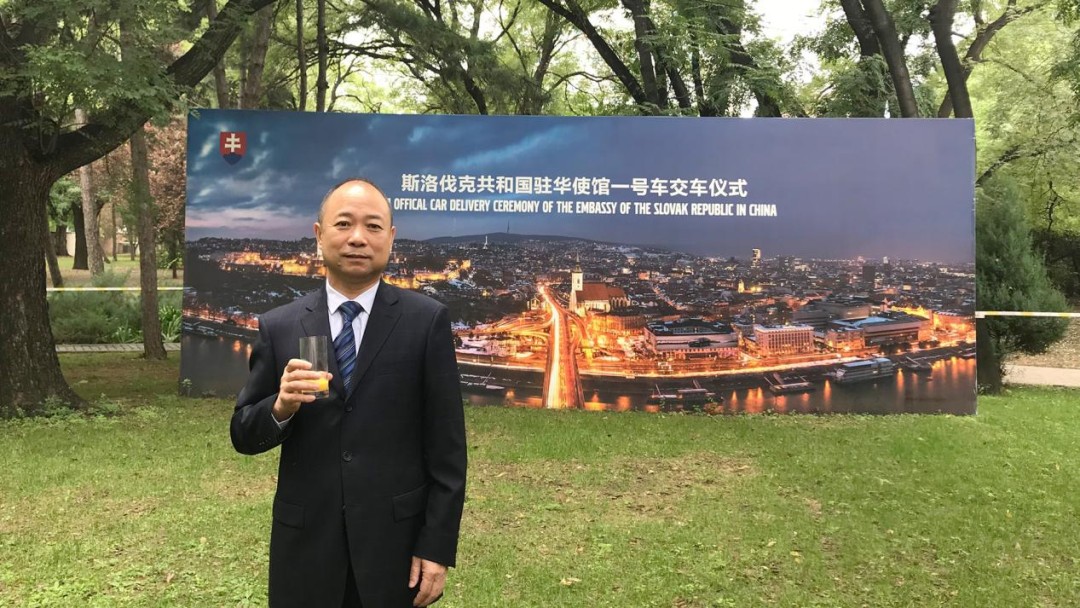
The story also holds beams of warm light. The Slovak Ambassador, after reading his letter, specifically called, stating bluntly that it was "extremely shocking" and hoping for further communication. Embassies of Guyana, Sri Lanka, Rwanda, and others responded with calls. Letters of acknowledgment also arrived from Nobel laureates and presidents of renowned universities. Each reply was like a beam of light, illuminating his solitary journey.
Today, the old man's hair is not only fully white but also sparse, and his hand trembles slightly as he writes. Yet, the light in his study still burns late into the night. He continues to write. He continues to send letters. He says that as long as he has breath in him, he will keep conveying this cry.
This is the story of one million letters. Its protagonist is an ordinary scholar. Its core is a heart of sincerity and boundless compassion. One million letters, like one million seeds, have been scattered to every corner of the world. Perhaps many seeds still lie dormant, but one day, they will take root, they will germinate, and grow into towering trees that safeguard human civilization.
Media Contact
Company Name: Bioscience Resource Project
Contact Person: Bridget Farrell
Email: Send Email
City: New York
Country: United States
Website: https://bioscienceresource.org/