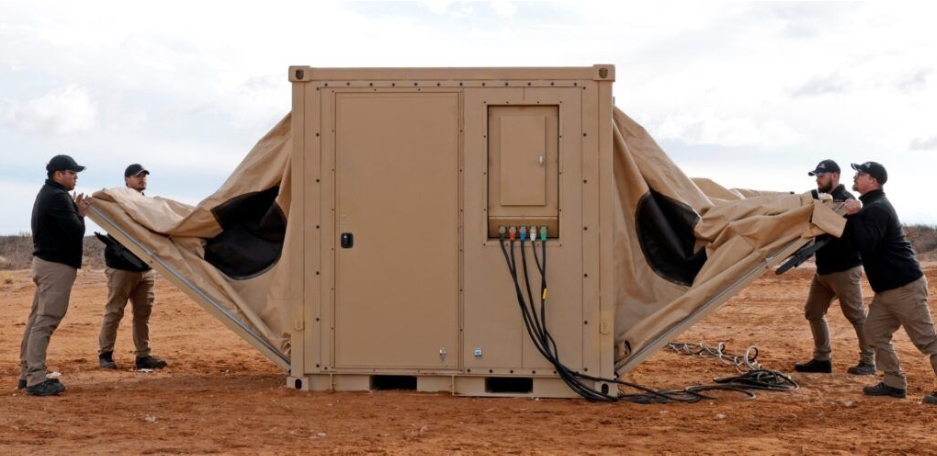
Containerized structures have become a go-to solution for industries that require fast, durable, flexible infrastructure. Whether you are planning a remote work camp, a temporary medical clinic, a modular command centre, or an on-site operations hub, these units provide an attractive combination of speed, mobility and cost efficiency.
But before you commit to installation, it's essential to understand the unique factors involved in deploying them - especially in harsh or logistically challenging locations. Many buyers look at a variety of containerized facilities at the beginning of the process to find the right fit for their operational needs.
Understanding the Purpose of Deployment
The first and most crucial step is knowing exactly why you're deploying a containerized structure. These modular units could be set up for almost everything but each use case has its own requirements. A medical facility, for example, requires specialized types of HVAC systems, sanitary finishes, and backup power considerations. A remote office may require data connectivity, insulation, and alterations to the workspace. Meanwhile, living quarters need a focus on comfort, safety and longevity of materials. When the purpose is clearly defined at the beginning, it is much easier to plan as the structural, electrical and interior configuration can be tailored to the exact operational goals.
Additionally, knowing your planned deployment duration, whether temporary, semi-permanent or long-term, will determine the type of engineering, foundation and interior outfitting required. Short-term projects may require mobility and quick setup; long-term installations require more robust systems designed to withstand repeated use and environmental stressors.
Evaluating the Environmental and Site Conditions
Before setting up a containerized structure it's important to assess the site in which it will be installed. Different environments offer different challenges. Remote Arctic regions require structures that will withstand extreme cold, heavy snow loads and high winds. Desert environments need cooling systems, dust-resistant seals and ultraviolet-resistant materials. Coastal areas have to contend with exposure to moisture, corrosion potential and salt-laden air.
Site preparation is also an essential factor. Even with the significant less foundation work required by containerized units compared to traditional construction, the site must be stable, level and accessible. Assessing soil conditions, seasonal weather patterns, and access roads will help avoid costly delays or structural issues later. For many industries, deployment planning might also include transportation by barge, helicopter or rough-vehicle depending on the remoteness of the location.
Engineering and Safety Compliance
Containerized structures may appear simple from the outside, but the engineering behind it can be complex. Each unit may have to adhere to local building codes, industry-specific safety standards or operational certifications. This includes things like electrical systems, fire protection needs, emergency exits, insulation standards, load tolerances.
For operations such as mining, military missions, or oil and gas projects, compliance is often taken one step further. Structures may require reinforced frames, explosion-proof electrical components, positive-pressure ventilation systems, or ballistic-rated materials. Ensuring that your units are certified to all the necessary standards in advance will save a lot of time and hassle during an inspection or audit.
Compliance also reaches structural safety. Understanding wind ratings, snow load capacity and seismic resistance is very important, especially in areas prone to natural events. Consulting with engineers who specialize in modular or containerized infrastructure is the best way to ensure that your deployment will meet both the demands of the environment and the demands of the regulations.
Infrastructure, Utility Requirements, and Connectivity
Another significant factor is the infrastructure that you need to support your containerized facility. Even though these structures are meant to be self-contained, they still require reliable power, water and waste management solutions for remote areas, which may involve incorporating solar arrays, diesel generators, battery storage, or hybrid energy systems. Wastewater management systems may include holding tanks or mobile treatment systems, and trucked-in resources, wells, or filtration units may supply water.
Connectivity is also equally important. Today's industries make heavy use of communication systems, cloud platforms, and real-time monitoring. If you want to maintain operational efficiency and security, then ensuring your containerized structures can support wired or wireless networks, satellite connections, IoT devices, and security systems will definitely help. The logistical headaches are avoided by planning these systems when operations are just getting underway.
Operational Flexibility and Future Expansion
One of the most significant benefits of containerized buildings is that they are flexible. They can be expanded, reconfigured or removed and relocated with minimal disruption. With this in mind, planning for future growth is of the utmost importance. If your project is likely to scale up you might want to consider modular layouts that enable you to add more easily. Entryways, utilities, and corridor connections are aligned at the outset to allow seamless integration of new modules later.
This is also foresight that helps with cost efficiency. Instead of rebuilding entire structures, you can retrofit or upgrade parts of them as the need arises. Many organizations opt for containerized solutions precisely because of this long-term adaptability, especially in industries where operational demands are changing quickly.
Choosing the Right Partner to Deploy
Successful deployment relies heavily on selecting a provider with experience in containerized engineering, transportation, and in-field installation. A seasoned partner will assist in assessing environmental issues, tailoring layouts, managing logistics and ensuring regulatory compliance. They can also offer ongoing support for maintenance, repairs and future upgrades.
Ultimately, containerized structures represent a powerful combination of durability, mobility, and cost-effectiveness - but proper planning is what helps realize their full potential. By knowing the demands of the environment, engineering requirements, utilities, safety standards and long-term flexibility, organizations can implement containerized units with confidence. Whether it's for remote industrial work, emergency response, or expanding operations, these modular solutions are among the most versatile infrastructure options available today.
Media Contact
Company Name: Alaska Defense
Contact Person: Gerrit Boyle
Email: Send Email
Country: United States
Website: https://alaskadefense.com/